

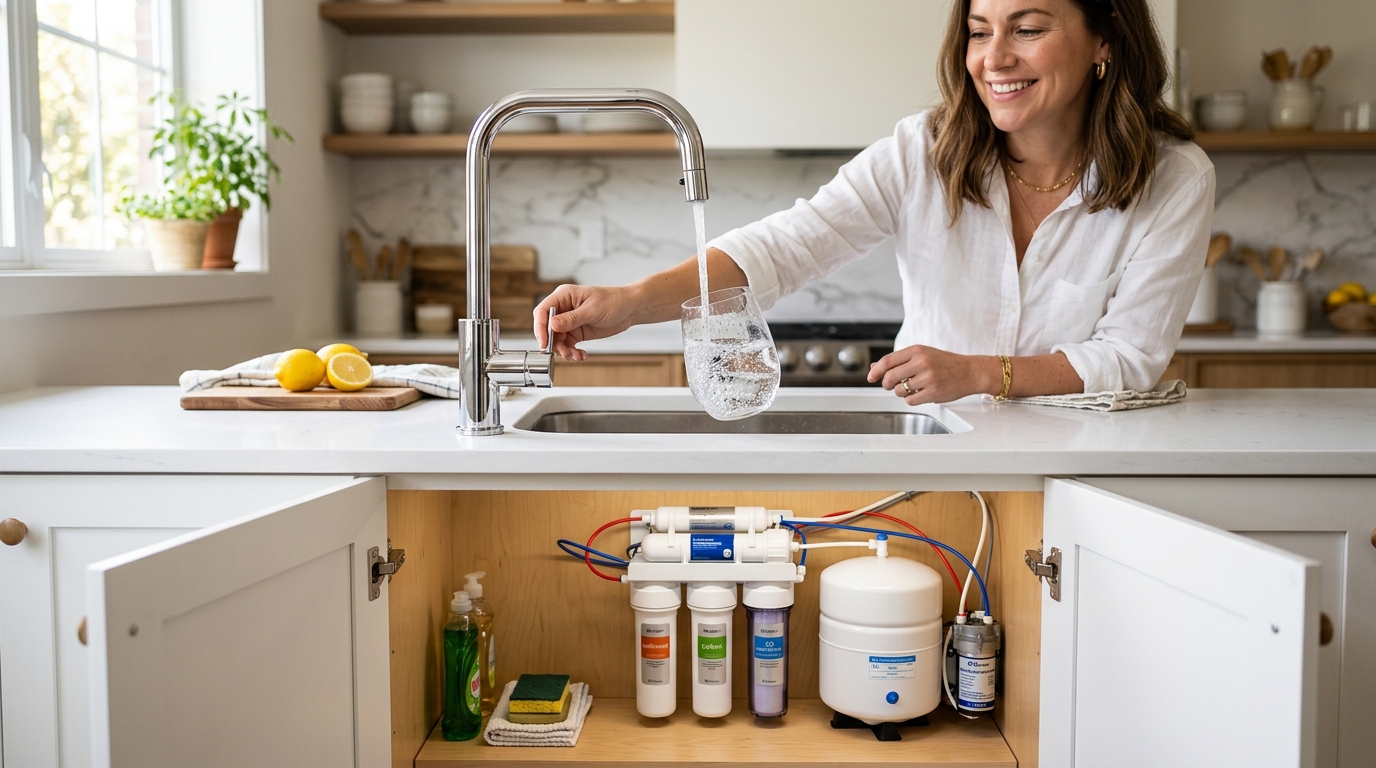

Quick Answer: Endocrine disrupting compounds (EDCs) in drinking water—including natural and synthetic estrogens, bisphenol A, phthalates, and certain pesticides—interact with hormonal systems at extremely low concentrations (ng/L to pg/L range). International research documenting endocrine activity across six cou. Advanced water treatment technologies including reverse osmosis provide effective solutions for water quality challenges in this area. AMPAC USA’s commercial and industrial systems are engineered to address these specific water treatment needs with certified, documented performance.
Water Research – Volume: 139 Pages: 10-18 Published: 2018 Publication Type: J Document type: Journal Article – DOI: 10.1016/j.watres.2018.03.056
Abstract:
The aquatic environment can contain numerous micropollutants and there are concerns about endocrine activity in environmental waters and the potential impacts on human and ecosystem health. In this study a complementary chemical analysis and in vitro bioassay approach was applied to evaluate endocrine activity in treated wastewater, surface water and drinking water samples from six countries (Germany, Australia, France, South Africa, the Netherlands and Spain). The bioassay test battery included assays indicative of seven endocrine pathways, while 58 different chemicals, including pesticides, pharmaceuticals and industrial compounds, were analysed by targeted chemical analysis. Endocrine activity was below the limit of quantification for most water samples, with only two of six treated wastewater samples and two of six surface water samples exhibiting estrogenic, glucocorticoid, progestagenic and/or anti-mineralocorticoid activity above the limit of quantification. Based on available effect-based trigger values (EBT) for estrogenic and glucocorticoid activity, some of the wastewater and surface water samples were found to exceed the EBT, suggesting these environmental waters may pose a potential risk to ecosystem health. In contrast, the lack of bioassay activity and low detected chemical concentrations in the drinking water samples do not suggest a risk to human endocrine health, with all samples below the relevant EBTs. All rights reserved, Elsevier
https://www.sciencedirect.com/science/article/abs/pii/S0043135418302525?via%3Dihub
The post Analysis of endocrine activity in drinking water, surface water and treated wastewater from six countries. appeared first on Facts About Water.
Source: Water Feed
AMPAC USA engineers custom water purification systems for commercial, industrial, and emergency applications — from 500 GPD to multi-million GPD. Trusted by municipalities, military, and industry worldwide.


![Reverse Osmosis Membrane Lifespan: How Long Do RO Membranes Last? [Maintenance Guide]](https://www.ampac1.com/blog/wp-content/uploads/2026/03/membrane-lifespan-150x150.png)