
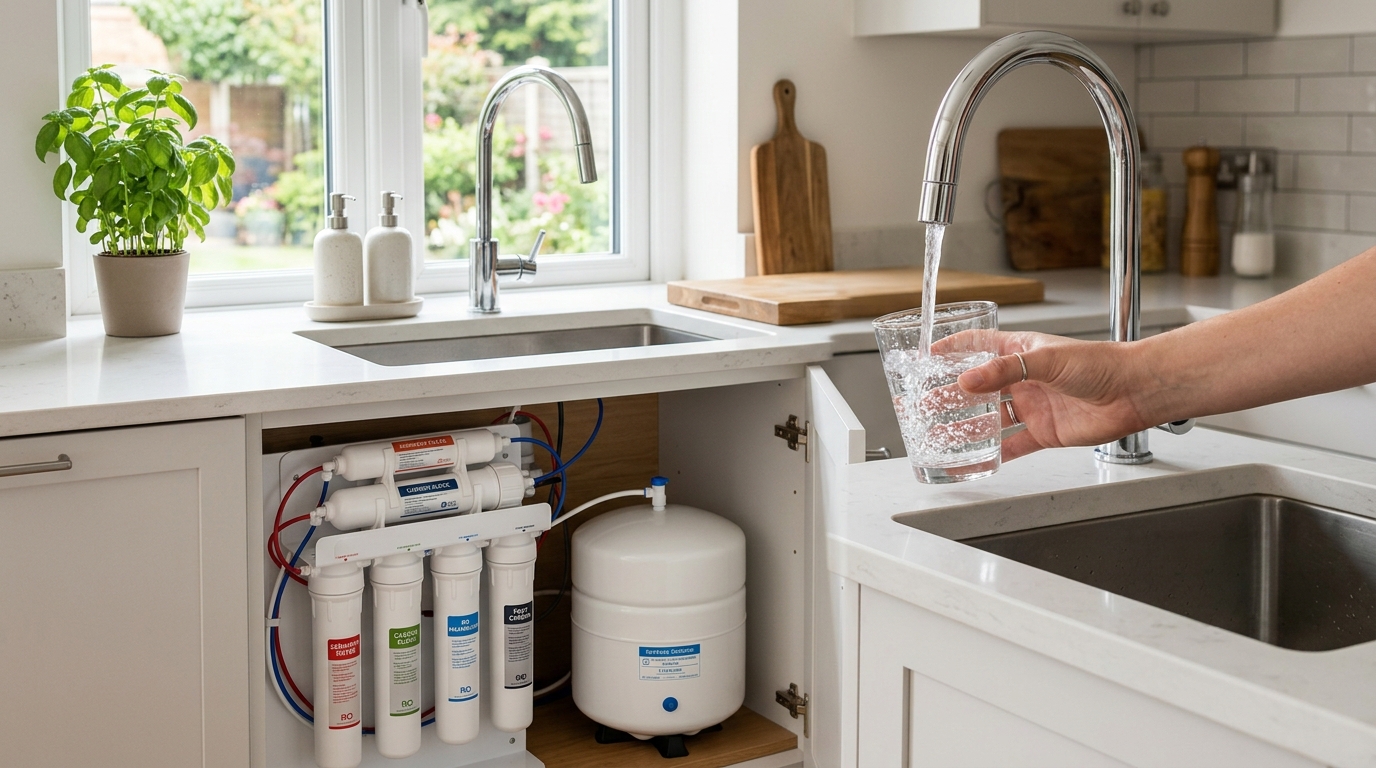

private-well-water-quality-in-the-u-s-and-testing-requirements-to-achieve-it-evidence-from-arsenic/”>private-well-water-quality-a-north-carolina-perspective/”>Private Well Water Quality Treatment really matters for today’s water systems. AMPAC USA offers top-tier solutions that make sure you get safe, clean water for your home, business, or industrial site. Our systems are built to get rid of the most contaminants and last a long time.
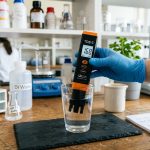
\\n\\nAnder, E. L.; Watts, M. J.; Smedley, P. L.; Hamilton, E. M.; Close, R.; Crabbe, H.; Fletcher, T.; Rimell, A.; Studden, M.; Leonardi, G.\\n\\nENVIRONMENTAL GEOCHEMISTRY AND HEALTH, 38 (6):1313-1332; 10.1007/s10653-016-9798-0 DEC 2016\\n\\nAbstract:\\n\\nWe looked at tap water from 497 homes using private water supplies in Cornwall, UK. This area has a lot of metals and arsenic. We wanted to see how well their water met chemical drinking water standards and if household treatment made a difference. A lot of samples didn’t meet the standards, with 65% of tap water samples failing one or more chemical tests. The biggest problems for health standards were nitrate (11%) and arsenic (5%). One arsenic sample was as high as 440 µg/L. We also saw many issues with pH (47%), manganese (12%), and aluminum (7%). These standards are mostly about how water looks and tastes, but the highest levels of manganese and aluminum also went over health guidelines. We found that when homes successfully treated low-pH groundwater, levels of aluminum, cadmium, copper, lead, and-or nickel dropped significantly. We saw similar good results for arsenic and nickel when people treated for iron and-or manganese. Also, two homes specifically treated their water to lower arsenic, and it worked. However, 31% of samples where people reported treating for pH still had a pH below 6.5, which is the minimum. This suggests a lot of issues with system upkeep. We saw other examples of treatment not working, like for nitrate. This means even if people think their water is treated, it might still not meet drinking water standards. These findings show we need to do more work to understand what environmental factors cause high concentrations and where those high concentrations are. We also learned that residents were more okay with drinking water that had high levels of metals like iron and manganese than international guidelines assume. This tells us that regulators need to give clearer guidance to private water supply users about drinking water quality standards and how meeting them helps their long-term health, even in places where city water is widely available.\\n\\nhttps://link.springer.com/article/10.1007%2Fs10653-016-9798-0\\n\\nThe post Variability in the chemistry of private drinking water supplies and the impact of domestic treatment systems on water quality appeared first on Facts About Water.\\n\\nSource: Water Feed
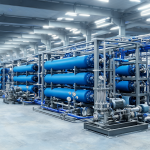
AMPAC USA engineers custom water purification systems for commercial, industrial, and emergency applications — from 500 GPD to multi-million GPD. Trusted by municipalities, military, and industry worldwide.