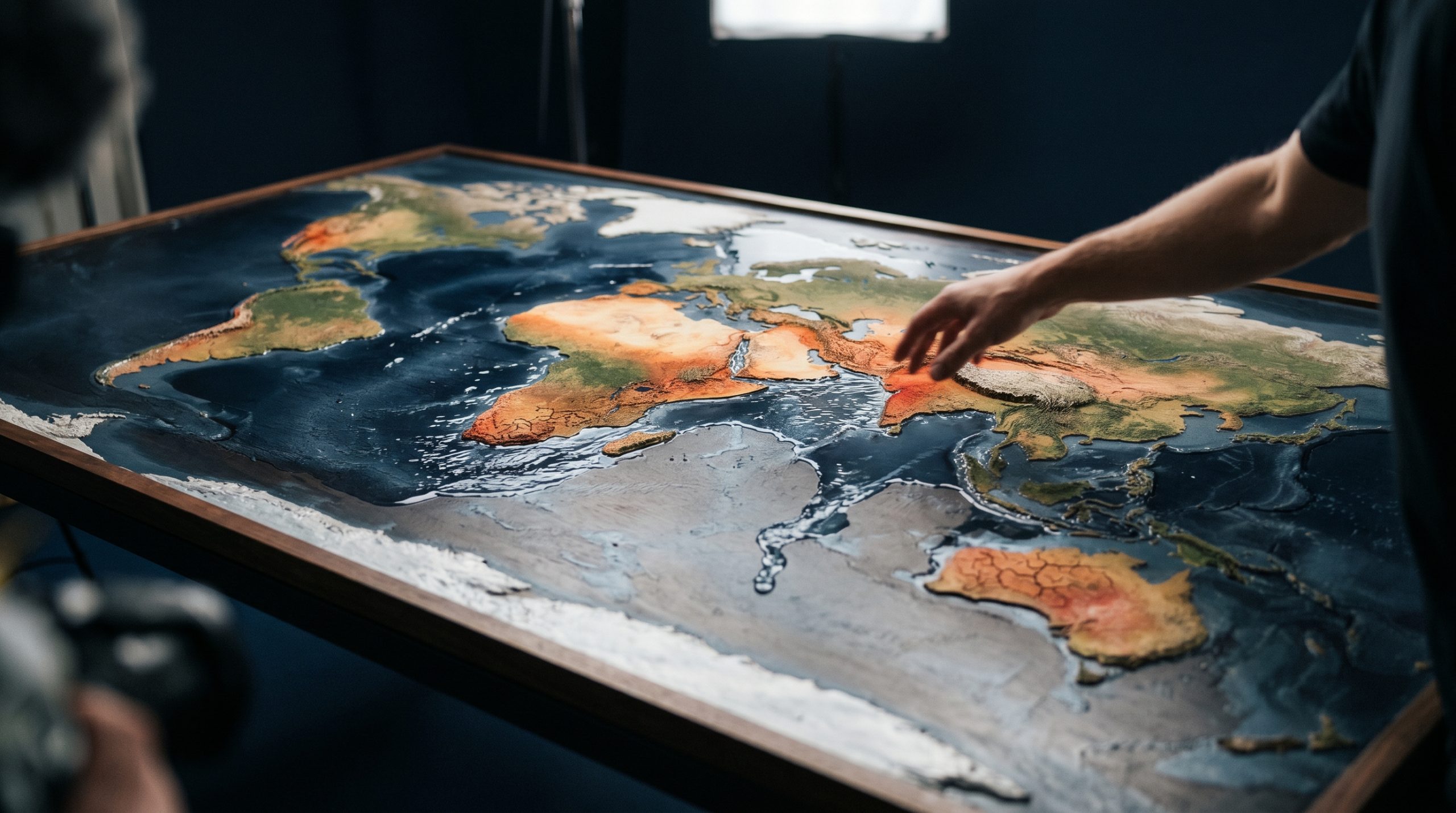

With the issue of water crisis surfacing worldwide, conserving water has become more important than ever. Even if you are not living in an area under water crisis, you should still try to save some water. Also, when the water supply is limited people will be forced to consume contaminated water. However, Water Purification reduces the water crisis issue a bit by desalinating seawater for use, but it would be better to consider ways to cut down your water consumption.
Water is one of the most critical natural resources, and conserving it is essential for both environmental sustainability and economic stability. Across the United States, water conservation methods are being actively implemented in residential, commercial, industrial, and agricultural sectors. These strategies not only reduce water consumption but also ensure that future generations have access to clean and reliable water sources.
Smart Irrigation Systems for Agriculture
Agriculture is one of the largest consumers of water in the USA. Traditional flood irrigation methods have given way to smart irrigation systems that optimize water use by delivering it directly to plant roots.
Key Technologies Used:
- Drip Irrigation: Delivers water slowly and precisely to plant roots.
- Soil Moisture Sensors: Monitors soil humidity levels and adjusts irrigation schedules accordingly.
- Automated Irrigation Controllers: Connected to weather data to avoid unnecessary watering during rain.
By implementing precision agriculture, farmers reduce water usage while improving crop yields.
Read: Desalination and Conservation Are the Answer to Drought
Low-Flow Plumbing Fixtures
One of the most effective household methods of conserving water involves the installation of low-flow plumbing fixtures.
Common Fixtures Include:
- Low-flow showerheads: Use less than 2.0 gallons per minute.
- Dual-flush toilets: Allow users to choose between a high or low water volume flush.
- WaterSense-certified faucets: Reduce flow without sacrificing performance.
These upgrades are now standard in new construction and are widely encouraged through municipal rebate programs.
Greywater Recycling Systems
Greywater refers to wastewater generated from activities such as laundry, bathing, and dishwashing. Instead of allowing this water to enter the sewage system, it can be recycled on-site for non-potable uses.
Applications of Greywater:
- Irrigating landscapes
- Flushing toilets
- Cooling systems in commercial buildings
Cities like Los Angeles and San Diego have launched programs encouraging residential greywater systems, helping reduce the burden on local water treatment plants.
Rainwater Harvesting Systems
Rainwater harvesting captures runoff from rooftops and stores it for future use, significantly reducing reliance on municipal water supplies.
Core Components:
- Catchment area (usually rooftops)
- Gutters and downspouts
- Storage tanks or cisterns
- Filtration systems for purification
In drought-prone states like Arizona and New Mexico, rainwater harvesting is integrated into building codes, and homeowners often receive incentives for installing these systems.
Xeriscaping and Native Landscaping
Xeriscaping involves designing landscapes using drought-resistant plants and efficient irrigation. This method is particularly effective in arid and semi-arid regions of the USA.
Key Principles of Xeriscaping:
- Use of native plants
- Efficient irrigation techniques
- Mulching to retain soil moisture
- Minimal turfgrass areas
Cities such as Denver, Las Vegas, and Phoenix have adopted xeriscaping ordinances to curb excessive water use in landscaping.
Read: The Global Perspective: How Commercial RO is Addressing Water Scarcity Challenges
Industrial Water Reuse Systems
Industrial operations have also embraced closed-loop water reuse systems, minimizing their water footprint and cutting operational costs.
Examples of Water Reuse in Industry:
- Cooling tower water recycling
- Steam condensate recovery
- Process water treatment for reuse
Companies in the automotive, textile, and food processing sectors have led the way in implementing industrial-scale conservation systems, significantly reducing freshwater withdrawals.
Leak Detection and Repair Programs
Undetected leaks in municipal water systems account for billions of gallons of lost water annually. Many US cities have turned to smart leak detection technologies to combat this issue.
Techniques Used:
- Acoustic sensors to identify underground pipe leaks.
- Pressure monitoring systems to detect sudden drops.
- SCADA (Supervisory Control and Data Acquisition) systems for real-time monitoring.
These programs save municipalities money and conserve large volumes of treated water.
Public Awareness Campaigns and Education
Behavioral change is critical to long-term water conservation. Government agencies, non-profits, and utility companies regularly launch public awareness campaigns to promote responsible water use.
Campaign Strategies Include:
- Online tools to calculate household water footprints.
- Workshops and webinars on conservation methods.
- School programs integrating water education into the curriculum.
Programs like EPA’s WaterSense and Save Our Water (California) have become national models for education and outreach.
Desalination Technology for Coastal Cities
To supplement freshwater supplies, especially during droughts, some coastal cities have turned to seawater desalination.
Key Features of Desalination Plants:
- Reverse osmosis membrane systems
- Pre-treatment filters to remove particulates
- Energy recovery devices to improve efficiency
Cities like Carlsbad, CA and Tampa Bay, FL have operational desalination facilities that produce millions of gallons of potable water daily.
Advanced Metering Infrastructure (AMI)
Advanced metering technology allows utilities and customers to monitor real-time water usage. This transparency leads to early leak detection and smarter consumption decisions.
Benefits of AMI:
- Customer alerts for unusual water use
- Usage trend analysis
- Remote meter reading without manual visits
Utilities in cities such as Austin, Texas and San Francisco have fully deployed AMI systems, resulting in measurable reductions in water usage.
Stormwater Management and Green Infrastructure
Urban areas are increasingly investing in green infrastructure to manage stormwater and replenish groundwater supplies.
Common Strategies:
- Permeable pavements
- Rain gardens
- Green roofs
- Bioswales
These methods mimic natural hydrology, helping to filter pollutants and reduce strain on drainage systems.
Federal and State Water Efficiency Regulations
At the policy level, both federal and state governments have enacted regulations that enforce water conservation.
Major Legislative Actions:
- The Clean Water Act promotes the reuse and recycling of treated wastewater.
- California’s SB 606 and AB 1668 establish long-term efficiency standards for indoor and outdoor residential water use.
- Building codes now mandate water-efficient plumbing in many states.
These regulations serve as a framework for all other conservation efforts.
Read: Why Global Water Security Matters
Water-Efficient Appliances in Homes and Businesses
Replacing outdated appliances with water-efficient models plays a significant role in reducing water use.
Examples Include:
- High-efficiency washing machines
- Commercial dishwashers
- Ice machines with low water use
ENERGY STAR and WaterSense certifications help consumers identify the most efficient options on the market.
Aquifer Storage and Recovery (ASR)
Aquifer storage and recovery involves injecting treated water into underground aquifers during periods of surplus and retrieving it during shortages.
Advantages of ASR:
- Reduces evaporation losses
- Provides drought resiliency
- Improves groundwater levels
Florida and Texas have implemented large-scale ASR programs to secure water for urban and agricultural needs.
Top water conservation methods used worldwide:
Water Treatment: Water treatment process allows for treating wastewater so that it can be recycled and reused. Water treated by industrial wastewater treatment plants can be used further for various industrial processes.
Reuse Grey Water: Grey water treatment is another way to conserve water. The water treated through this process can be reused for things like flushing the toilet etc.
Brand Water Cooler & Storage: Power plants in industries use thousands of gallons of water for cooling. If you use less power, you are indirectly saving water. They can use top quality water cooler storage, It will take less electricity & can keep cooling your water for more time.
Fix your leaks: Whether you do it yourself or hire a plumber for fixing the leaky pipes and faucets it will also save a lot of water. Due to Leakage a tons water going to waste in Industries. So Save Water with stop leakage.
Reusing Water: Instead of dumping the water down the drain, try draining it into a large pot. It can be reused to water your plants, Industries can use waste water treatment to save the water and reuse again and again. They can also support the environment by dumping the waste water in plants.
Conclusion
The USA employs a diverse and integrated approach to water conservation, encompassing smart technologies, sustainable landscaping, industrial efficiency, and public engagement. These top water conservation methods not only safeguard freshwater resources but also ensure long-term ecological and economic sustainability. As climate variability increases, continued innovation and adoption of these practices will be vital to securing the nation’s water future.
Frequently Asked Questions
How do smart irrigation systems conserve water in US agriculture?
Smart irrigation systems, such as drip irrigation, deliver water precisely to plant roots, minimizing waste. They utilize soil moisture sensors and automated controllers linked to weather data to optimize watering schedules, avoiding unnecessary irrigation. This precision agriculture approach significantly reduces water usage while improving crop yields across the United States.
What are effective low-flow plumbing fixtures for residential water conservation?
Effective low-flow plumbing fixtures include showerheads that use less than 2.0 gallons per minute, dual-flush toilets offering selectable water volumes, and WaterSense-certified faucets. These upgrades are increasingly standard in new construction and are often encouraged through municipal rebate programs. They significantly reduce household water consumption without compromising performance.
What is greywater recycling and how is it used in water conservation?
Greywater refers to wastewater generated from activities like laundry, bathing, and dishwashing, which can be recycled on-site for non-potable uses. Instead of entering the sewage system, it can be repurposed for irrigating landscapes, flushing toilets, and even cooling systems in commercial buildings. This method substantially reduces the demand for fresh potable water for secondary applications.
Beyond conservation, how does water purification help address water scarcity?
Water purification, particularly desalination, directly expands the available water supply by transforming otherwise unusable sources like seawater into potable water. While conservation focuses on reducing demand, purification creates new sources, which is critical for regions facing severe water crises. AMPAC USA, with over 30 years of experience, designs and manufactures advanced reverse osmosis and water purification systems for diverse commercial and industrial applications globally.
What are the benefits of installing WaterSense-certified fixtures?
WaterSense-certified fixtures are independently tested to meet EPA criteria for both water efficiency and performance, ensuring they reduce water consumption without sacrificing user experience. Installing these fixtures leads to lower utility bills due to decreased water usage and reduces the strain on local water supplies. Many municipalities offer rebates for homeowners and businesses who upgrade to these efficient products.
Conclusion
Water conservation in the US isn’t one technology — it’s dozens of small interventions stacking together, from drip irrigation and low-flow fixtures to greywater reuse and citywide leak detection programs. Purification technologies play a supporting role too: desalination and wastewater treatment don’t reduce demand, but they add usable supply when conservation alone can’t close the gap. AMPAC USA’s wastewater treatment systems help industrial facilities recycle process water instead of drawing fresh supply for every cycle. If your operation is looking at ways to cut water use or reuse what it already has, contact our team at info@ampac1.com or (909) 548-4900.
AMPAC USA engineers custom water purification systems for commercial, industrial, and emergency applications — from 500 GPD to multi-million GPD. Trusted by municipalities, military, and industry worldwide.