
Short answer: there are no proven harmful side effects from drinking properly maintained reverse osmosis water if you are otherwise healthy. There are a few real trade-offs, and they are worth knowing before you buy: minerals, fluoride, taste, upkeep and wastewater.
What reverse osmosis actually does
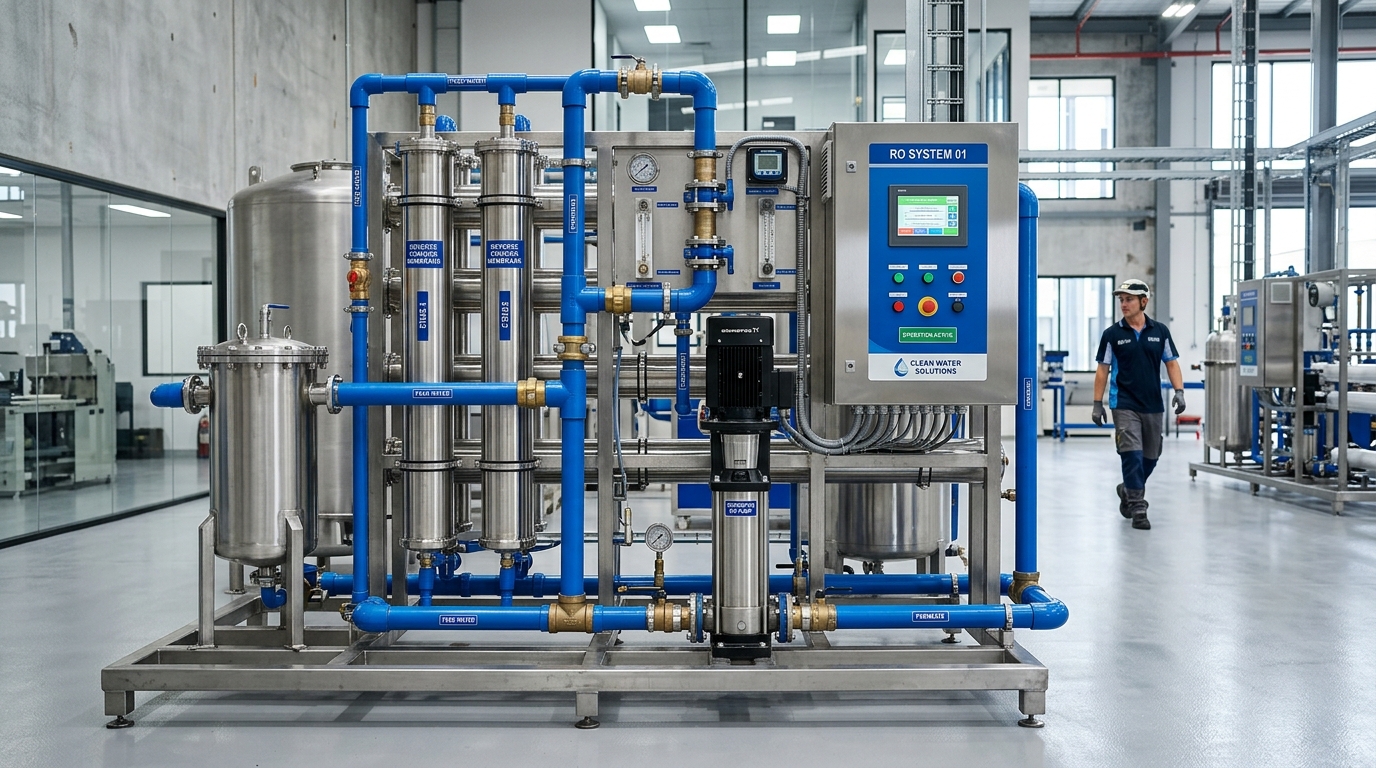
RO systems force water at high pressure through a semi-permeable membrane. The treated water, called permeate, passes through. The part that does not pass, called concentrate or reject, carries away the larger substances, as EPA explains in its overview of drinking water treatment technologies. Because the membrane blocks dissolved solids, RO also takes out most of the minerals in the water. That one fact is behind most of the questions people ask.
Minerals: the biggest question
Yes, RO water has far fewer dissolved minerals such as calcium and magnesium than tap water. For most people this does not matter much, because food supplies the bulk of the minerals we need. A glass of water was never meant to be your main source. It is still reasonable to ask your doctor if you have a kidney condition or a diet that is closely managed. If you want some minerals back, ask about a remineralization stage, which is an optional add-on in some of our under-sink systems.
Fluoride: talk to your dentist
RO can remove much of the fluoride in water. The American Dental Association says that fluoride in community water systems prevents at least 25 percent of tooth decay in children and adults. If your community fluoridates its water and you give RO water to children, ask your dentist whether they need another fluoride source such as toothpaste or a supplement.
Taste
RO water can taste flat because there are almost no dissolved minerals. Many people like the clean taste. Others add a remineralization stage or a squeeze of lemon. The carbon stages in a home system also remove chlorine taste and smell, which is a common reason people switch.
Upkeep: where problems actually start
Most RO problems come from neglect, not from the technology. Filters that stay in too long stop doing their job, and a storage tank that is never sanitized can pick up a taste. Replace filters on the schedule in your manual, change the membrane when the manufacturer says to, and sanitize the system during filter changes. A UV stage is an option if your water source has microbial concerns.
Wastewater
RO sends a share of the incoming water to the drain as concentrate. That is an environmental cost, not a health one. Efficiency varies between systems, so ask about the recovery rate and whether a permeate pump is available.
Babies and formula
Clean water matters most for infants. EPA says infants who drink mostly mixed formula can get 40 to 60 percent of their lead exposure from the water used to mix it, according to its page on lead in drinking water. RO water is often used for formula, but check with your pediatrician for your own situation.
Picking a system
Start with a water test, then match the system to what it finds. Browse our residential reverse osmosis systems, including under-sink models and whole house systems. For a recommendation, send your results through the quote form or call (909) 548-4900.
Frequently asked questions
Is it safe to drink reverse osmosis water every day?
For healthy people, yes, when the system is maintained. Most of your minerals come from food. If you have a kidney condition or a managed diet, ask your doctor first.
Does RO water remove fluoride?
RO can remove much of the fluoride in water. If your community fluoridates its water, talk to your dentist about whether you or your children need another source of fluoride.
Why does RO water taste flat?
Because almost all dissolved minerals are gone. A remineralization stage, or a squeeze of lemon, brings back some taste.
Does reverse osmosis waste water?
Yes. A share of the incoming water goes to the drain as concentrate. Ask about the recovery rate and consider a permeate pump to reduce it.
Sources
- US EPA, Overview of Drinking Water Treatment Technologies
- US EPA, Basic Information about Lead in Drinking Water
- American Dental Association, Fluoride in Water
AMPAC USA engineers custom water purification systems for commercial, industrial, and emergency applications — from 500 GPD to multi-million GPD. Trusted by municipalities, military, and industry worldwide.