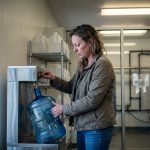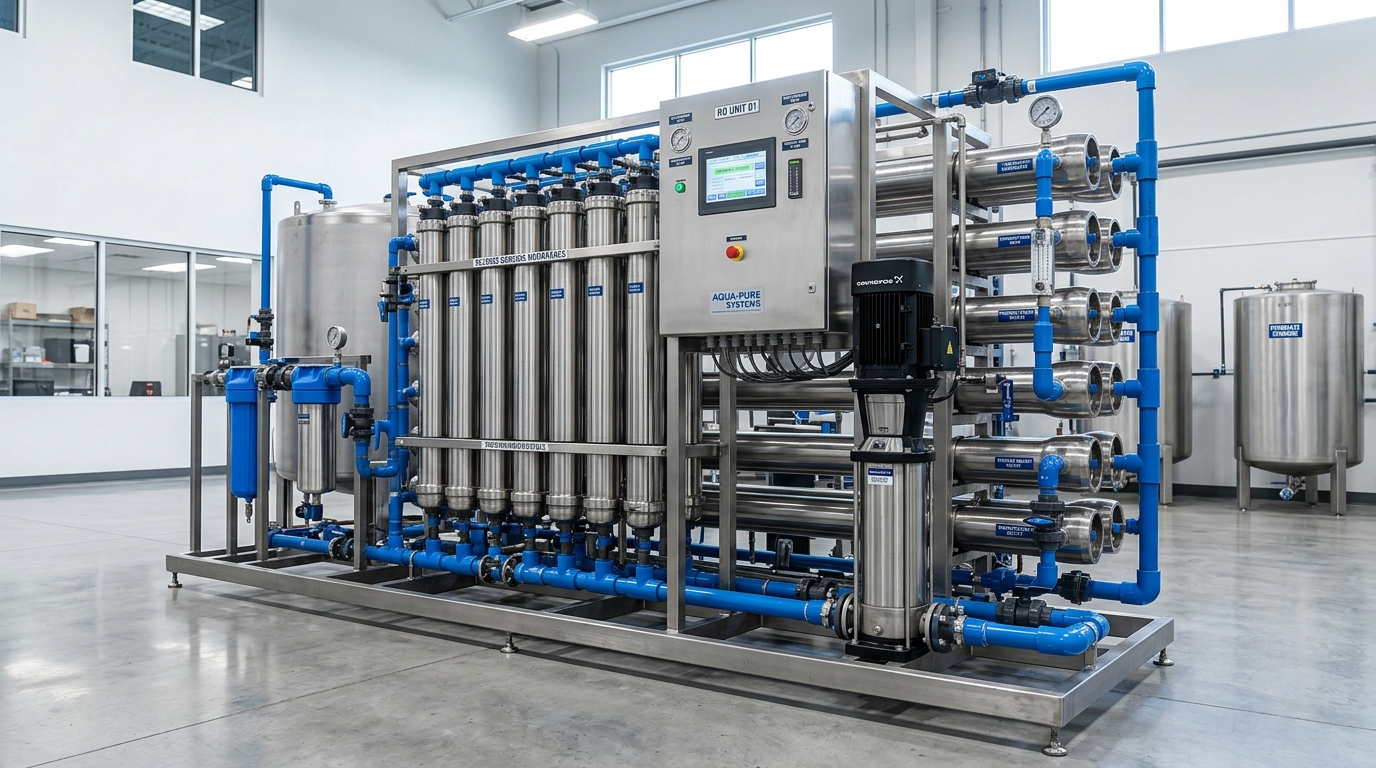

Millions of Americans struggle with water insecurity. That’s not just a problem for rural areas, it hits urban communities too, thanks to old pipes, contamination, or high costs. Research from the National Health and Nutrition Examination Survey (NHANES) backs this up. But here’s the good news: advanced water treatment, like reverse osmosis, offers real solutions. AMPAC USA builds commercial and industrial systems specifically for these water challenges, and our performance is documented.
The Journal of Nutrition, Volume 152, Issue 5, May 2022, Pages 1263-1273, https://doi.org/10.1093/jn/nxac017
ABSTRACT
In the U.S., problems with safe, affordable water have led more and more adults to avoid their tap water. This could be a sign of underlying water insecurity. While dietary recalls give us important data on nutrition, we haven’t really used them to monitor water insecurity, until now.
This article shows how water intake data from dietary recalls connects to, and can even predict, a key sign of water insecurity: avoiding tap water.
We used NHANES data from 2005-2018, looking at 32,329 adults. First, we checked out how much total, plain (tap and bottled water combined), tap, and bottled water people drank. We also saw what percentage drank no tap water or only bottled water. Then, we used multiple linear and logistic regressions to see how avoiding tap water related to plain water intake and how many sugary drinks people had. Finally, we used receiver operating characteristics (ROC) curves to test how well not drinking plain water, not drinking tap water, only drinking bottled water, and different amounts of tap water predicted tap water avoidance.
Between 2005 and 2018, people drank more plain water, mostly because they drank more bottled water. In 2017-18, over half of adults (51.4%) didn’t drink tap water on a given day, and 35.8% only drank bottled water. Adults who skipped tap water drank less tap and plain water, but much more bottled water and sugary drinks. Not drinking tap water, or certain categories of tap water intake, predicted tap water avoidance with 77% and 78% accuracy (areas under the ROC curve).
This study proves that water intake data from dietary recalls can accurately predict if someone avoids tap water. It gives us a real look into water insecurity. Plus, when people rely more on bottled water, it often means they’re worried about their tap water quality.
The post Using Water Intake Dietary Recall Data to Provide a Window into US Water Insecurity appeared first on Facts About Water.
Source: Water Feed
Related Articles
- Opposing Consumption Trends for Sugar-Sweetened Beverages and Plain Drinking Water: Analyses of NHANES 2011 – 16 Data
- Dietary intake, drinking water ingestion and plasma perfluoroalkyl substances concentration in reproductive aged Chinese women
- Non-tuberculous mycobacteria in drinking water systems: A review of prevalence data and control means
- QMRA of adenovirus in drinking water at a drinking water treatment plant using UV and chlorine dioxide disinfection
Frequently Asked Questions
What is water insecurity in the United States?
Water insecurity is defined as the inability to access sufficient, safe, and affordable water, affecting millions of Americans in both rural and urban communities. This often stems from issues like aging infrastructure, contamination, or cost burdens. Advanced water treatment technologies, including reverse osmosis, provide effective solutions to ensure reliable access to high-quality water.
How prevalent is tap water avoidance among US adults?
Research using National Health and Nutrition Examination Survey (NHANES) data from 2005-2018 indicates a significant trend of tap water avoidance. In 2017-18, 51.4% of adults did not drink tap water on a given day, and 35.8% exclusively consumed bottled water. This avoidance correlates with lower overall plain water intake and higher consumption of bottled water and sugar-sweetened beverages.
How can reverse osmosis systems address water quality issues contributing to water insecurity?
Reverse osmosis (RO) systems are advanced water treatment technologies that effectively remove contaminants, making water safe and palatable. AMPAC USA designs and manufactures commercial and industrial RO systems engineered to provide reliable, high-quality water for diverse applications, from military bases to municipalities, directly combating water quality concerns that lead to insecurity with reliable performance.
What did the NHANES study reveal about US water consumption trends?
The 2005-2018 NHANES data, analyzing 32,329 adults, showed an increasing trend in plain water intake, primarily driven by a rise in bottled water consumption. Conversely, tap water intake declined, with a significant percentage of adults avoiding tap water altogether, suggesting a shift in consumer trust and access patterns related to water insecurity.
Why is dietary recall data useful for understanding water insecurity?
Dietary recall data provides critical nutritional surveillance and serves as an underexplored tool for monitoring water insecurity. By analyzing variables like tap water intake and bottled water consumption, researchers can predict tap water avoidance with high accuracy (77-78% areas under the ROC curve), offering valuable insights into underlying issues of water access, safety, and affordability.
AMPAC USA engineers custom water purification systems for commercial, industrial, and emergency applications — from 500 GPD to multi-million GPD. Trusted by municipalities, military, and industry worldwide.