
Almost a third of U.S. adults aren’t drinking enough water. A new study from Harvard T.H. Chan School of Public Health shows that poorer adults, Black adults, and Hispanic adults are more likely to be dehydrated than wealthier and white adults.
The study authors believe a big reason for these differences is that many people just don’t have access to clean, safe drinking water. Think about the water problems in places like Flint, Michigan- that’s a perfect example.
This study came out online on July 20, 2017, in the American Journal of Public Health.
Why Clean Water Access Makes a Difference in How We Hydrate
It’s pretty clear: if your water isn’t good, you won’t drink it. Public health experts have written a lot about this connection. When people think their tap water is unsafe- or when tests show it’s got lead, nitrates, or germs- they naturally drink less of it. The problem is, bottled water isn’t an easy fix for everyone. Low-income families spend a much bigger chunk of their money on bottled water compared to wealthier households, who might just install a filter at home.
That’s where point-of-use water treatment comes in. These systems offer a real way to close this gap. Reverse osmosis (RO) systems, for instance, remove over 95% of bad stuff like lead, arsenic, fluoride, nitrates, and many other chemicals. Whole-house carbon filters make water taste better and get rid of chlorine byproducts, which encourages people to drink more tap water instead of sugary drinks.
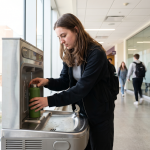
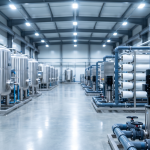
More and more, city water utilities in underserved areas are using advanced membrane filters and UV disinfection to clean water right at the source. For homes, small under-sink RO systems now cost as little as $200-$400 installed. This makes high-quality filtered water available to a lot more people. Also, community water kiosks- basically purified water vending machines in areas that lack healthy food options and in low-income neighborhoods- are working well in California, Texas, and Florida. They’re helping more people get safe drinking water.
To fix hydration inequality, we need two things: cities need to invest in their water systems, and homes need easy access to water treatment. Water treatment companies that work in underserved communities play a direct role in closing the hydration gap the Harvard researchers pointed out.
Related Articles
- Factors Related to Water Filter Use for Drinking Tap Water at Home and Its Association With Consuming Plain Water and Sugar-Sweetened Beverages Among U.S. Adults
- Association of Caloric Intake From Sugar-Sweetened Beverages With Water Intake Among US Children and Young Adults in the 2011-2016 National Health and Nutrition Examination Survey
- Does an RO System Remove Lead? A Complete Guide
- Is Tap Water in the USA Safe to Drink?
Frequently Asked Questions
How does water quality impact hydration disparities in the U.S.?
Perceived or confirmed unsafe tap water leads residents to reduce their intake, often turning to expensive bottled water or sugary alternatives. This disproportionately affects lower-income households, who spend more on bottled water and may lack funds for in-home filtration. This creates a cycle where poor water quality directly contributes to insufficient hydration, especially among vulnerable populations.
What advanced technologies can improve access to safe drinking water?
Advanced membrane filtration, such as reverse osmosis (RO), and UV disinfection systems are crucial for ensuring water quality at municipal and point-of-use levels. RO systems, like those designed by AMPAC USA, remove over 95% of dissolved contaminants, while whole-house carbon filtration improves taste and removes chlorine byproducts. Community water kiosks also offer purified water in underserved areas.
What specific contaminants do reverse osmosis (RO) systems effectively remove?
Reverse osmosis (RO) systems are highly effective, removing over 95% of dissolved contaminants from water. This includes heavy metals like lead and arsenic, fluoride, nitrates, and many organic compounds. By filtering at a molecular level, RO ensures significantly purer drinking water, addressing a wide range of potential health concerns.
What are some affordable in-home solutions for improving drinking water quality?
Compact under-sink reverse osmosis (RO) systems offer an accessible solution, costing as little as $200–$400 installed for high-quality filtered water. Additionally, whole-house carbon filtration systems can improve overall tap water taste and remove chlorine byproducts, encouraging greater tap water consumption. These technologies make safe, palatable water more readily available to a broader population.
How do community water kiosks help address water access issues in low-income areas?
Community water kiosks are purified water vending stations strategically installed in food deserts and low-income neighborhoods. They provide an accessible and affordable source of safe drinking water, often utilizing advanced purification technologies like those found in AMPAC USA’s commercial systems. This model has been successfully deployed in states like California, Texas, and Florida to bridge critical access gaps.
AMPAC USA engineers custom water purification systems for commercial, industrial, and emergency applications — from 500 GPD to multi-million GPD. Trusted by municipalities, military, and industry worldwide.