
Finished Water Storage and Quality Concerns
control and preventing intrusion events, dead legs and pressure losses, are just some of the prevalent Water quality
Expert insights on water treatment, reverse osmosis, and purification systems
control and preventing intrusion events, dead legs and pressure losses, are just some of the prevalent Water quality
To better understand the occurrence of specific chemical mixtures in the US Great Lakes Basin, surface water
At present one of the greatest barriers to reducing exposure to naturally occurring arsenic from unregulated private well water is a lack of well testing.
Toxicological risk assessment of contaminants of emerging concern (CEC) in (sources of) drinking water is required to identify potential health risks
For several decades, a common processing aid in the production of fluoropolymers was the ammonium salt of perfluorooctanoic acid
Legionellae are among the most important waterborne pathogens in industrialized countries. Monitoring and surveillance of Legionella in engineered water systems is usually performed with culture-based methods
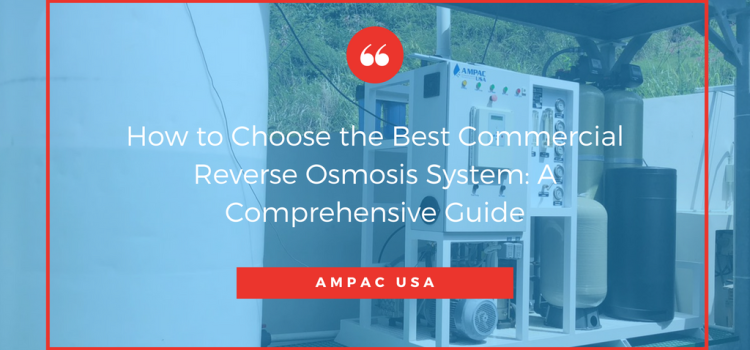
Reverse osmosis is an advanced water purification process that uses different membranes to make water contamination-free. Commercial reverse osmosis systems are…
Giardia duodenalis is the most common intestinal parasite of humans in the USA, but the risk factors for sporadic (non-outbreak) giardiasis are not well described.
In this study, we investigated the occurrence of Bacteria and Legionella spp. in water-main biofilms and tap water from a chloraminated distribution system
Private residences in rural areas with water systems that are not adequately regulated, monitored,& updated could have drinking water that poses a health risk due to bacteria