Emergency essential. When disaster hits, you need bottled water.
\
Always accessible. You can grab a bottle almost anywhere.
\
Easy to store. Need to stock up for an unexpected event? No problem.
\
Highly portable. Take it to the gym, office, or out in the field.
\
Sealed for safety. It’s protected from outside contamination until you open it.
\
Immune system backup. If your immune system is weak, it’s a reliable choice when tap water quality is uncertain.
Cons
Environmental burden. Those single-use plastic bottles create tons of waste.
\
Chemical concerns. Some plastics can release chemicals – like phthalates or tiny plastic bits – into the water, especially if it gets hot.
\
Questionable quality. Here’s the kicker: bottled water rules are often less strict than those for municipal tap water. We’ve seen bottled water that’s barely better than unfiltered tap.
\
Energy hog. Making, shipping, and chilling all those bottles uses a lot of energy.
\
Costly habit. Buying bottled water every day really adds up. It’s way more expensive per gallon than tap.
\
It expires. Yes, bottled water has a shelf life. It won’t actually ‘go bad’ like food, but the plastic can break down and change the taste over time.
Nutritional Difference
The Good and Bad of Tap Water
Unbeatable convenience. Turn on the faucet. Water’s there.
\
Extremely economical. Pennies per gallon, not dollars.
Cons
Purity isn’t guaranteed. Even regulated tap water can have leftover chlorine, disinfection byproducts, or tiny bits of contaminants.
\
Regular testing is key. We always suggest testing your home water, especially if you have an older house or well water.
\
Taste and odor issues. Chlorine, used to clean the water, often leaves a bad taste or smell. That’s a common complaint we hear.
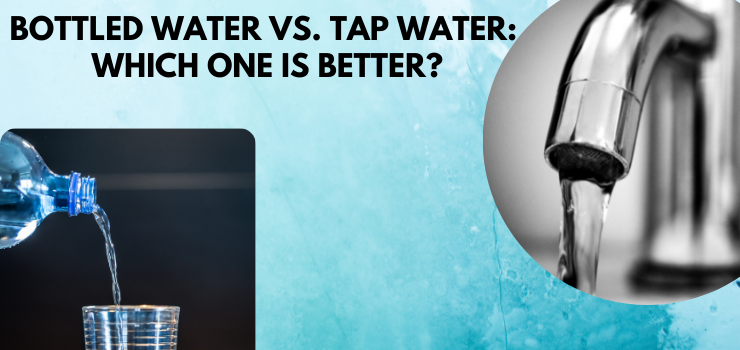
Which is Better: Tap Water or Bottled Water
RO systems. Our R.O.idential RO line uses advanced reverse osmosis, a technology proven to get rid of up to 99% of dissolved solids and common contaminants. Whether you’re dealing with hard water, salty well water, or just want the cleanest drinking water, we have a solution. From small point-of-use systems for one faucet to whole-house units that handle hundreds of gallons per day (GPD), we’ve got you covered. Plus, we offer a full range of compatible accessories and spare parts.
reverse osmosis water filtration systems, water softeners and conditioners, home UV systems, whole house water filters, and all the necessary accessories.
here.
References
- International Bottled Water Association. “Bottled Water – Sustaining a Healthy Lifestyle.” 2017.
- U.S. Environmental Protection Agency. “Safe Drinking Water Act (SDWA).”
- U.S. Environmental Protection Agency. “Information about Public Water Systems.”
Related reading: <7 Reasons Water Stores Are Better Than Bottled or Tap Water, Bottled aqua incognita: microbiota assembly and dissolved organic matter diversity in natural mineral waters.
Need a Water Treatment Solution?AMPAC USA engineers custom water purification systems for commercial, industrial, and emergency applications — from 500 GPD to multi-million GPD. Trusted by municipalities, military, and industry worldwide.