
Climate change means more rain, and that rain washes more organic stuff into our surface waters. This makes it harder for sunlight to kill off bad germs with UV radiation. It’s a real threat to drinking water safety for millions, including the 10+ million people who get their water from Lake Michigan.
Why UV Inactivation of Pathogens Matters for Drinking Water
Solar ultraviolet radiation, UV-A and UV-B, is nature’s own free disinfectant. When water is clear and shallow, UV light damages the DNA and RNA in bacteria, viruses, and protozoa. This stops nasty pathogens like Cryptosporidium, Giardia, and norovirus from multiplying. Water utilities and regulators have always seen this natural die-off as an extra layer of protection between source water and treatment plants.
The problem Williamson et al. (2017) pointed out is simple: dissolved organic matter (DOM) — that brown, tannin-rich stuff from soil and decaying plants — soaks up UV wavelengths before they can reach pathogens deeper in the water. As rain gets heavier and permafrost thaws, DOM is building up in rivers and lakes worldwide. We call this “browning.” Many northern lakes have already seen a 10–30% drop in UV transparency over the last two decades.
Water treatment engineers need to deal with this trend. They must increase the UV dose in treatment systems, add other disinfection methods, and keep an eye on turbidity and DOM concentration in real time. For cities that get their water from surface sources, this research really highlights why we need multiple barriers for treatment. Think coagulation, filtration, UV disinfection, and chlorination. You can’t just rely on one step.
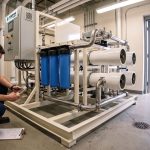
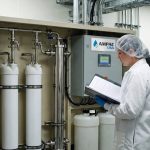
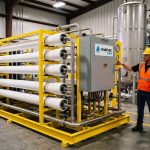
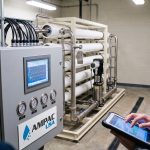
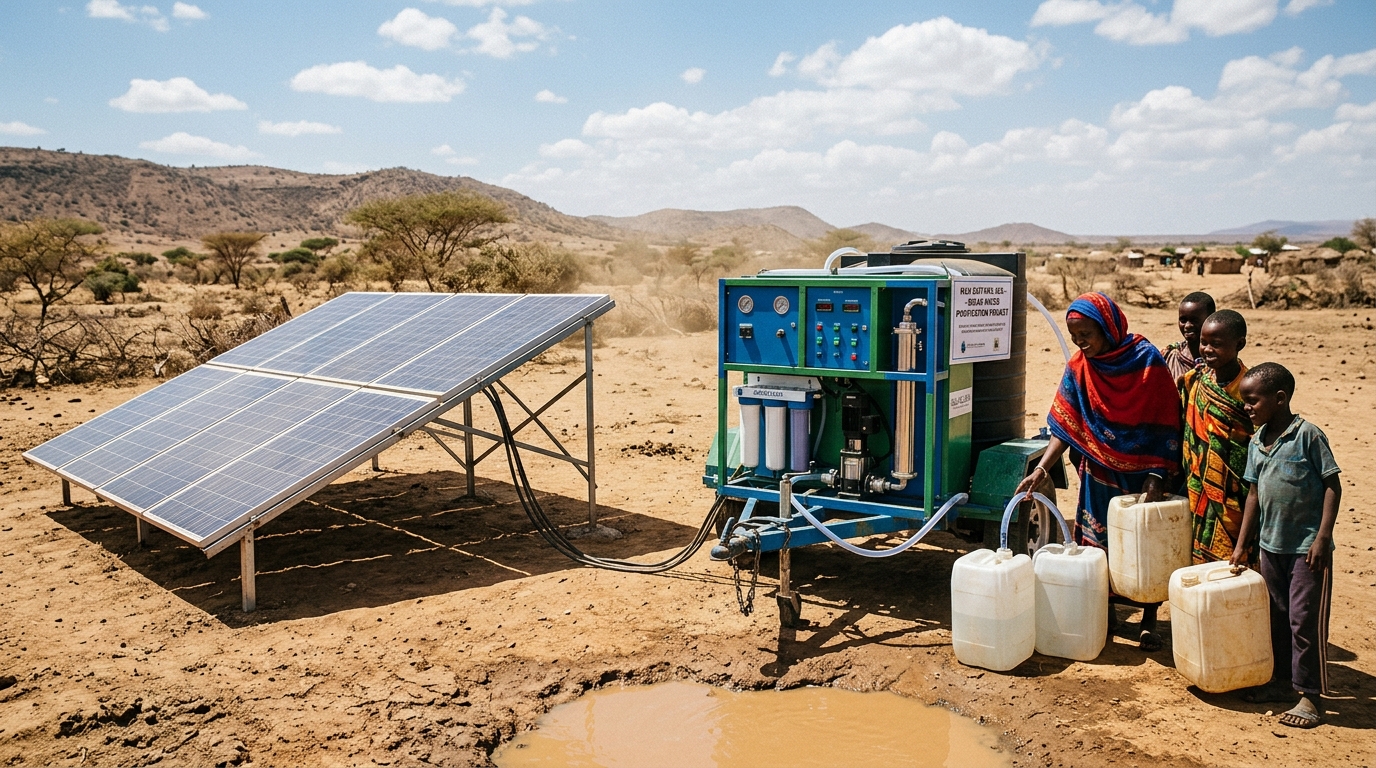
Reverse osmosis (RO) systems remove dissolved organic matter at the membrane stage. This means less chlorine is needed and fewer disinfection by-products (DBPs) form later on. If you pair RO pre-treatment with UV disinfection, you get water that’s both pathogen-free and low in DOM. That tackles both the direct contamination risk and the browning problem this study describes.
Author Full Names: Williamson, Craig E.; Madronich, Sasha; Lal, Aparna; Zepp, Richard G.; Lucas, Robyn M.; Overholt, Erin P.; Rose, Kevin C.; Schladow, S. Geoffrey; Lee-Taylor, Julia
Source: SCIENTIFIC REPORTS, 7 10.1038/s41598-017-13392-2OCT 12 2017
Language: English
Abstract: Climate change is accelerating the release of dissolved organic matter (DOM) to inland and coastal waters through increases in precipitation, thawing of permafrost, and changes in vegetation. Our modeling approach suggests that the selective absorption of ultraviolet radiation (UV) by DOM decreases the valuable ecosystem service wherein sunlight inactivates waterborne pathogens. Here we highlight the sensitivity of waterborne pathogens of humans and wildlife to solar UV, and use the DNA action spectrum to model how differences in water transparency and incident sunlight alter the ability of UV to inactivate waterborne pathogens. A case study demonstrates how heavy precipitation events can reduce the solar inactivation potential in Lake Michigan, which provides drinking water to over 10 million people. These data suggest that widespread increases in DOM and consequent browning of surface waters reduce the potential for solar UV inactivation of pathogens, and increase exposure to infectious diseases in humans and wildlife.
The post Climate change-induced increases in precipitation are reducing the potential for solar ultraviolet radiation to inactivate pathogens in surface waters appeared first on Facts About Water.
Source: Water Feed
Related Articles
- Solar-Powered Water Purification: The Complete Off-Grid Solutions Guide 2026
- Mobile & Solar Water Treatment Systems Can Help In Extreme Situations Like Global Wars
- Application of Capsid Integrity (RT-)qPCR to Assessing Occurrence of Intact Viruses in Surface Water and Tap Water in Japan
- A Perspective on the History of Environmental Regulations-Successes and Challenges in Reclaiming Polluted Waters
Frequently Asked Questions
What is ‘browning’ in surface water and how does it impact drinking water?
‘Browning’ refers to the increasing concentration of dissolved organic matter (DOM) in surface waters, often due to climate change-induced precipitation. This brown, tannin-rich material absorbs solar UV radiation, significantly reducing nature’s ability to inactivate waterborne pathogens like Cryptosporidium and Giardia. This phenomenon threatens drinking water safety by diminishing a natural disinfection barrier.
How does climate change affect the natural disinfection of water?
Climate change-driven increases in precipitation wash more dissolved organic matter (DOM) into surface waters. This DOM absorbs natural ultraviolet (UV) radiation, which normally inactivates pathogens by damaging their DNA and RNA. Consequently, the effectiveness of natural UV disinfection is reduced, posing a greater risk of waterborne pathogens reaching treatment plants and impacting drinking water safety.
Why is UV radiation important for inactivating pathogens in water?
Solar ultraviolet (UV-A and UV-B) radiation is nature’s free disinfectant, damaging the DNA and RNA of bacteria, viruses, and protozoa like Cryptosporidium and Giardia. This renders them unable to replicate, effectively inactivating them. Water utilities rely on this natural die-off as a supplemental barrier, and engineered UV disinfection systems are a critical treatment step.
What solutions can water treatment facilities implement to counter increased DOM and pathogen risks?
Water treatment facilities must adopt multi-barrier approaches, including increasing UV doses, implementing supplemental disinfection barriers, and real-time monitoring of turbidity and DOM concentration. AMPAC USA’s reverse osmosis (RO) systems effectively remove DOM at the membrane stage, reducing chlorine demand and potential disinfection by-product formation. Pairing RO pre-treatment with UV disinfection offers a robust solution.
Which specific pathogens are more resistant to natural UV inactivation due to water browning?
Water browning, caused by increased dissolved organic matter (DOM), reduces the natural UV inactivation of key waterborne pathogens. These include Cryptosporidium, Giardia, and norovirus. When UV light is absorbed by DOM, these pathogens are less likely to have their DNA and RNA damaged, increasing their survival and potential to contaminate drinking water supplies.
AMPAC USA engineers custom water purification systems for commercial, industrial, and emergency applications — from 500 GPD to multi-million GPD. Trusted by municipalities, military, and industry worldwide.